
Born Into the Movement
One of the blessings of working with March On! has been the opportunity to meet many of the Civil Rights movement icons and their descendants – people living real lives of grit, vision, sacrifice, and endurance.
Backstage in green rooms, in one-on-one interviews, or around a table sharing a meal, unfinished stories from the past can unexpectedly find poignant resolution.
The Children Who Carried the Cost
The year was 2015, and the festival invited several women who were children at the height of the movement, watching their activist parents’ involvement up close. Among them was Mary Liuzzo Lilleboe.
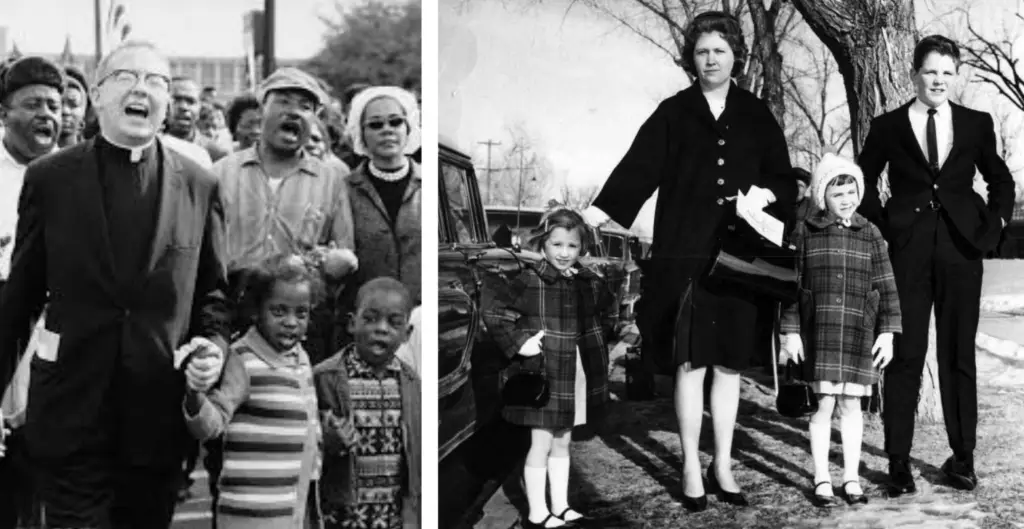
Mary was 17 years old when her mother, Viola Liuzzo, a 39-year old middle-class white housewife and mother of five, married to a Teamsters union leader, heard Dr. King’s television appeal for people of all faiths to join the march from Selma to Montgomery, Alabama.
Viola packed up her car and drove from Detroit to Selma, where she was assigned to recruit and transport volunteers. While shuttling marchers between the cities, she was forced off the road, shot, and killed by a car full of Klansmen.
After Viola’s death, the FBI launched a vicious smear campaign against her, publicly accusing her of being a sexually promiscuous drug addict. A cross was burned on the Liuzzos’ lawn in Detroit; shots were fired into their home.
A Reunion Decades in the Making
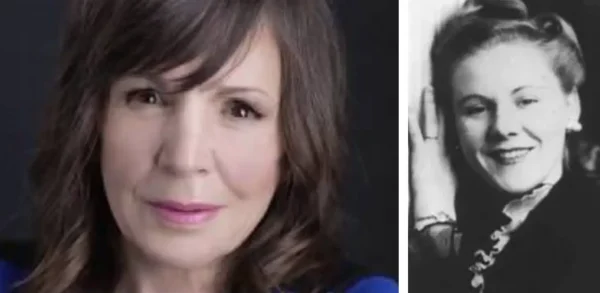
Decades later, I was in a green room, speaking with another festival panelist, former Chicago Alderman Dorothy Wright Tillman, who was a college volunteer at the Selma march. She was reminiscing about Viola, how lovingly she’d spoken about her daughter, and wondered how Mary’s life had turned out.
I pointed across the room and said, “That’s Mary right there.” That warm reunion was a sight to behold.
The Pieces Left Behind
Also in attendance that year was Anne Elizabeth Reeb. Her father, Rev. James Reeb, was a 38-year-old, white Unitarian pastor from Boston and father of four. His commitment to racial equality resonated with Dr. King’s call. He and two fellow Unitarian ministers were leaving dinner at the Black-owned Walker’s Cafe in Selma when they were attacked by a gang of white men with clubs.
Reeb was severely beaten. But the local Black clinic was not equipped to treat his head injuries, and the local hospital was segregated. He was driven 87 miles away to a hospital in Birmingham, where he died two days later.
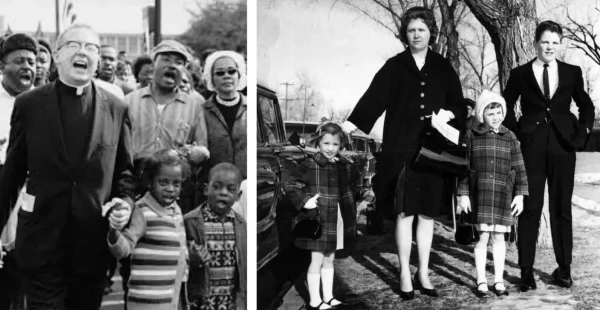
during the Civil Rights Movement. At right, Mrs. Marie Deason Reeb with their children.
In that same festival green room, Anne recounted how she’d attended the anniversary commemoration of the Selma march and met Diane Nash, a renowned civil rights organizer and SNCC strategist, who showed her the canceled check for her father’s final ambulance ride.
Five years old at the time of her father’s death, she was another daughter searching for threads of evidence about her parents’ death and its meaning to the movement for which he gave his life.
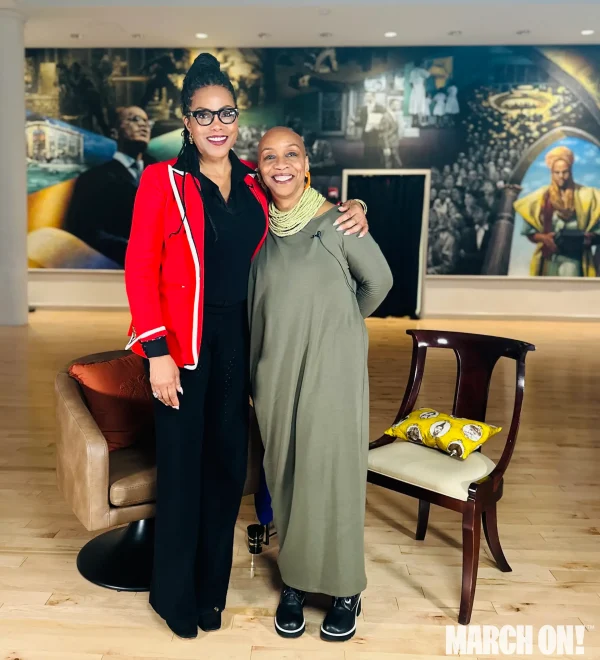
In 2021, March On! interviewed Dr. Ilyasah Shabazz, one of the six daughters of Malcolm X, who was just shy of her third birthday when she witnessed her father’s assassination. She recalled how her mother kept their father’s memory alive in vivid, personal detail. While the girls’ upbringing was decidedly apolitical, his notebooks were still on a shelf, one of his hats was worn by all the girls at one time or another, and her mother constantly referred to “my husband” and “Daddy” in the life lessons she imparted.
Great Expectations
The lives of these activist parents created a high level of public attention and assumptions on their children, and perhaps the children on themselves.
Mary Liuzzo Lilleboe spent her adult life fighting for justice in her mother’s case, including filing a lawsuit with her family against the FBI, helping produce the 2004 documentary on Viola, Home of the Brave, and becoming a certified trainer in nonviolent resistance. Mary passed away in September, 2025. She was 77 years old.
Rev. Reeb’s commitment to the movement was such that his family was one of the few white families living in Roxbury, a distinctly Black and impoverished neighborhood of Boston. That may or may not have remained his family’s choice; however, Anne Reeb still participates in public commemorations and shares her reflections as part of the historical record of her father’s legacy.
When Ilyasah Shabazz was admitted to college, her classmates elected her to an office of the Black Student Union – before she’d even arrived on campus.
As an educator and author, Dr. Shabazz founded and runs the Malcolm X and Dr. Betty Shabazz Center, dedicated to the life and works of both her parents. The Center is located in the historic Audubon Ballroom in Harlem, where Malcolm X delivered his final message.
The children of movement leaders like King, Medgar Evers, Liuzzo, Reeb, Shabazz, Fred Hampton, and others all live with the choices of their parents’ activism. Mortgage payments, parent-teacher meetings, bedtime stories, doctor’s visits, sporting events, and recitals were missed. We know little of what these families actually have had to survive.
Flipping the Activist Script
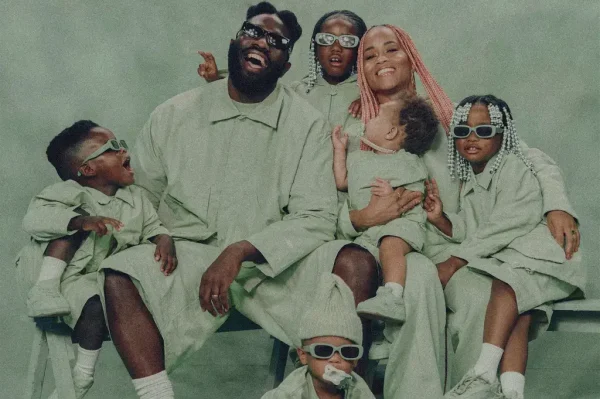
Perhaps that’s why Tobe Nwigwe, the self-described Igbo (Nigerian) boy from Southwest Houston, Texas, demonstrates a different kind of courage with his activism. He is a husband and father of five, whose idiosyncratic style blends musical genres, story, rhythm, vocals, choreography, family, sanctity, coiffure and couture, culture, and consciousness. What started as content has grown into a community which has blossomed into a movement.
Tobe makes it clear that his audience should not get it twisted about what he’s doing with his art, who he will live and die for, and what they can expect him to sacrifice.
“I have the utmost respect for Martin Luther King, Malcolm X, and Nelson Mandela… but if it ever gets hot out here… I’m goin’ inside. I’m finna raise my children and be with my wife. I don’t know who was raising Martin and Malcolm’s kids, but I’m not tryin’ to leave Fat by herself.”
We can have no judgment on how one walks this exacting road to truth and justice. Those in the public eye are living out loud, with all the risks that entails. For that, we can only thank them, learn from their words and works, and draw courage and inspiration for our own lives.
March On!
