
Venceremos
"I think I’ll have the honor of taking Cuba in some form…. They have no money, they have no oil, they have no nothing… I think I could do anything I want with it, you want to know the truth.”
President Trump, March 17, 2026
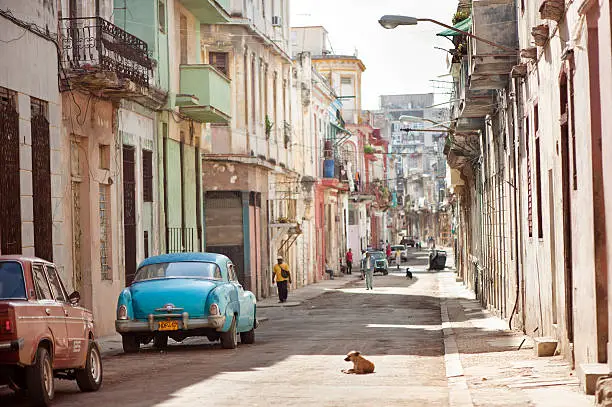
For centuries, Cuba has aroused the covetous interests of those who want to control it. Spain established its first settlement in 1511. In 1899 the US began its political and economic influence until Fidel Castro’s army marched into Havana in 1959. Since then, Cuba has intrigued, vexed and taunted the world with its beauty, cultural richness and defiant spirit.
My first trip to Cuba was in the early 1990s. As a board director for the Pacifica Radio Network’s Los Angeles station, KPFK, I traveled as a member of the media. I was also part of a small delegation of cultural activists attending a conference on Yoruba Spirituality.
A few hundred delegates converged in Havana from four continents, many of them adherents to the Yoruba faith. They presented scholarly papers on everything from the uses of herbs and flowers in therapeutic treatment, to the power of the drum, to diagnosing the difference between a spiritual trance and a psychotic break.
It was during what was called the “Special Period,” an extended era of extreme deprivation that began in August 1990 following the collapse of the Soviet Union, Cuba’s biggest political and economic supporter. Wages were low, food was rationed, and essential services fell far short of the standards previously reached when Cuba provided superior education and health care for all its people and even exported that assistance abroad.
The Cubans took on the hardships with resourceful strides. Folks still “slapped bones” (played dominos) in neighborhood squares; bodies still swirled to Son, Danzon and Rumba rhythms; weathered hands still rolled Cuba’s distinctive cigars; vintage American cars with jury-rigged parts still ferried passengers; Ojobu (altars) still graced many homes to honor, nourish and consult with Orishas (saints) the ancestors; and hope in La Revolucion was still palpable in the older generation who remembered the repressive regime it had replaced.
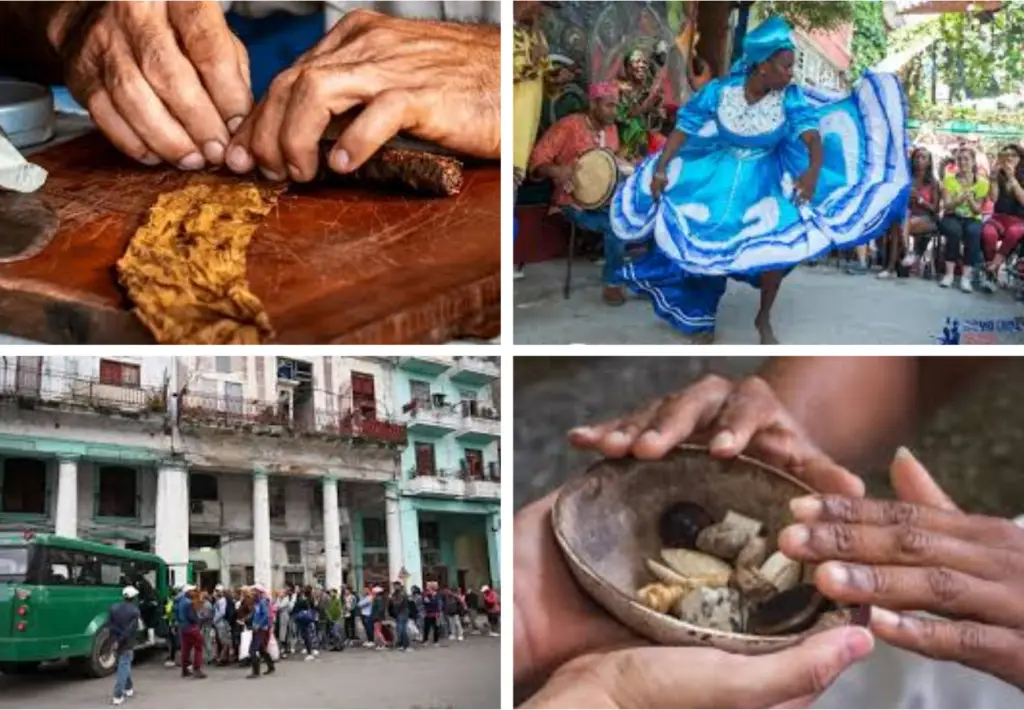
Scenes from the trip:
Pooling our cash to buy groceries to supplement the meager fare in the hotel, and feeling self-conscious with our full shopping cart amidst locals clutching ration slips.
Being invited to the home of an outgoing, effervescent Babalawo (high priest) for dinner, which we brought, along with gifts for the family of underwear, toiletries, school supplies, and boxes of tissues that were immediately used as napkins for our feast.
Visiting a filmmaker’s apartment, three flights up in a building colorful and majestic as an aging Madam, and watching her haul buckets of water from the street by rope and pulley.
Our group of Black women being dismissively addressed as “you people” on the plane by Cuban emigres returning to Miami, still longing for the property and hierarchy they lost under Castro.
My next two visits, during the Obama administration, when the restrictions between the US and Cuba were somewhat lifted, revealed more societal openness. There was a proliferation of small businesses, restaurants, and nightclubs.
On one visit I stayed with a judge who converted her spacious apartment into a tourist guest house while her son, a dentist, used his car as livery. Both enterprises earned them more money than their highly credentialed professions.
Yet severe restrictions on global web and computer access confined communications to the intranet until 2010. Party captains on every block still monitored the comings and goings of residents and visitors. State security crackdowns continued on voices deemed too politically, academically, journalistically, and artistically dissident.
The departure day of my last trip to Cuba coincided with the Trump administration’s reversal of Obama’s Cuban thaw. It was clear they were feeling some kinda way about it, since another American and I were the only ones pulled out of line at Jose Marti for a public body and bag search.
Cuba’s history is a crucible of cascading forces. The indigenous Taino and Ciboney, driven to near extinction during Spanish colonial rule. The enslaved who were brought from West Africa. Catholicism, Yoruba spirituality, the Mafia, Communism. All creating a daisy chain of military dictatorships, democratic elections, revolution, thwarted invasions, and embargoes.
Today, Cuba teeters on the brink of collapse. The current blockade stops much-needed oil shipments causing island-wide blackouts. No food, no medicine, no services. And for the first time in 70 years, protestors stormed a local Communist Party office. Superpowers hover, hoping for a final rupture to gateway regime change and shiny new development opportunities.
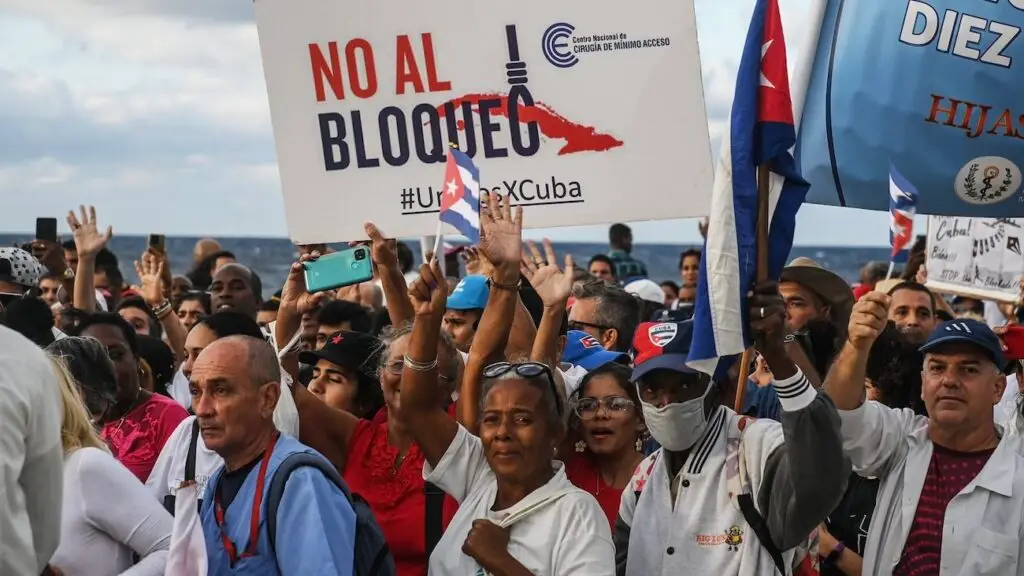
Complex political, religious, racial, and class differences are sown deep in its history. So is an irrepressible spirit of creative expression and fierce self-determination. While the world watches, the Cuban people do what they have always done. They endure.
In moments like this—when entire communities are being pushed to the brink, and the future feels uncertain, we must look beyond the headlines to see the humanity, resilience, and complexity of people navigating extraordinary circumstances, and act accordingly.
march On!
